Why It’s So Hard to Stop Doomscrolling: How to Change Your Relationship with Your Phone
If you’ve ever picked up your phone to respond to a quick text or Google something and suddenly found yourself down a doomscroll rabbit hole, you’re not alone.
Or maybe you’ve felt paralyzed, mindlessly scrolling while telling yourself “I should stop”, but felt incapable of putting the phone down.
As someone who has been navigating this personally and with clients for years, I can tell you that understanding why it’s so hard to stop doomscrolling is the first step toward making a change.
Today, I want to share insights from my podcast episode that dig into the science, the autopilot triggers, and the reflection work you can do to create a healthier, more intentional relationship with your phone.
Why Doomscrolling Hooks You
Smartphones were designed to make life easier, but apps quickly became a distraction black hole.
The endless scroll, carefully curated feeds, and unpredictable rewards keep your brain engaged—and since your brain is wired to seek dopamine, it’s almost impossible to resist.
Here’s what’s happening beneath the surface:
Dopamine is about pursuit, not pleasure. It’s the act of scrolling that feeds your brain, not the content itself. That’s why it can be so hard to stop scrolling, even when you aren’t enjoying the content the algorithm throws at you.
Autopilot behavior kicks in. Your brain seeks comfort and certainty—scrolling is predictable and requires little energy. You know exactly what you’re going to get when you open your app of choice.
Avoidance plays a role. Often, you reach for our phones to escape discomfort, boredom, or things you need to do.
In short, apps are designed to keep you there, and your brain knows exactly what it will get when you scroll. That makes breaking the habit much harder than just relying on willpower.
The Stages of Change for Your Phone Use
Understanding why it’s so hard to stop doomscrolling also means knowing that change isn’t linear. In fact, it’s an ongoing practice that you’ll continuously revisit.
Here are the five stages your brain goes through when you try to change your behavior and how it connects to doomscrolling.
Pre-contemplation: You have no intention to make a change. You may not think your phone use is a problem (even if people in your life are pointing it out to you).
Contemplation: You start to recognize there is a problem with how you’re using your phone. Maybe you notice doomscrolling doesn’t feel good or is creating more overwhelm in your life. You start thinking about making a change, but you aren’t committed to it yet. You’re just thinking about it.
Preparation: You now feel more called to make a change. You want to stop doomscrolling, but you aren’t sure how yet. You gather information, explore strategies, and start making a plan. This might include researching apps or talking with friends to see what’s helped them stop doomscrolling.
Action: Now is the time for action! You implement strategies, set goals, and actively work towards changing how you use your phone and you’re trying to stop doomscrolling. You download the app blockers, you put your phone on the other side of the room, and use a different alarm clock. You try all the things to stop doomscrolling - some of them work for you and others aren’t as helpful - but that’s part of the process!
Maintenance: You sustain the new habits over time, adapting strategies as needed when slips occur. It’s natural to return to old habits with doomscrolling and phone use - keep revisiting strategies and adjust as needed.
Even if you’ve taken action before and been successful with decreasing your screentime and stopped doomscrolling, you might find yourself occasionally slipping back in contemplation or preparation. That’s normal. Awareness and reflection are key to long-term success.
Reflection: The First Step to Stop Doomscrolling with ADHD
Before we jump into strategies for how to stop doomscrolling, reflection is essential. Ask yourself:
What do I actually enjoy about how I use my phone?
Which phone habits don’t feel supportive or aligned with my goals?
Are there specific times of day I autopilot to my phone?
What would I like to do instead of scrolling?
For example, I replaced morning and evening scrolling with reading. Over the course of a year, I read 52 books. That change didn’t happen because I was “too busy”—it happened because I became mindful of where my time was going and aligned it with what mattered to me.
Other people may enjoy a quiet cup of coffee, play an instrument, or take a walk. It’s all about finding healthy replacement behaviors that you actually enjoy.
Creating A Healthy Relationship with Your Phone
The goal isn’t to eliminate your phone completely or delete all your favorite apps. It’s about:
Understanding why you scroll
Recognizing triggers and autopilot habits
Visualizing the relationship you actually want with your phone
Taking intentional, sustainable steps toward change
When you reflect first, the strategies you add later— app blockers like Brick , timers, or other tools—become more effective and realistic for your life.
Key Takeaways
Doomscrolling is reinforced by dopamine, autopilot behavior, and avoidance.
Change happens in stages; understanding your stage helps you approach it realistically.
Reflection is the foundation of sustainable change.
You can replace scrolling with activities that actually make you feel good.
Building a healthier relationship with your phone is ongoing, not a one-time fix.
If you’ve tried to stop doomscrolling and keep going back, this episode will give you the clarity you need to start making intentional, sustainable changes.
Reflection is the first step—next, you can start building the toolbox to support your goals.
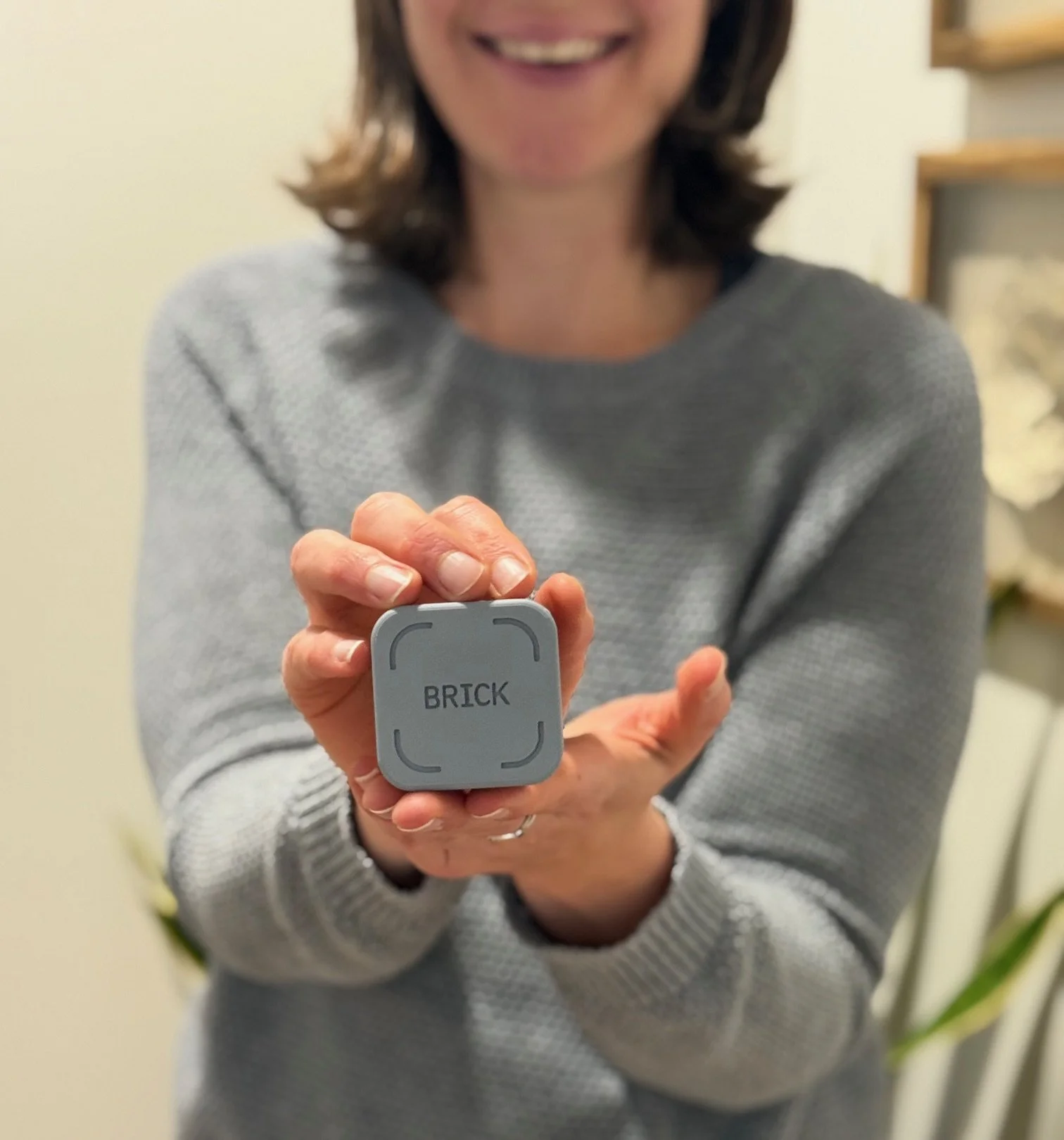
I’ve been using Brick for over a year and it’s changed my relationship with my phone!